What is Reiki?
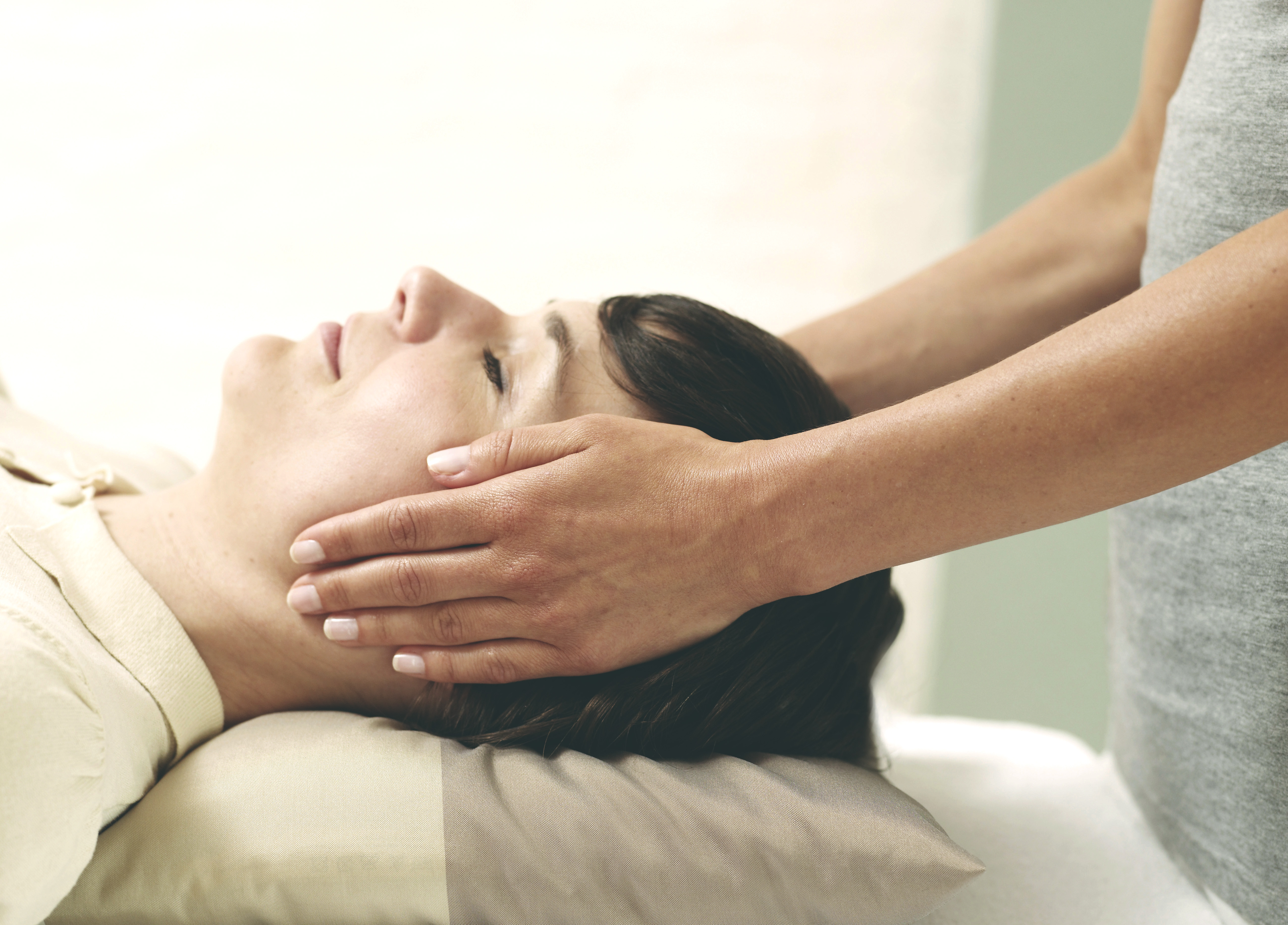

Reiki is a form of alternative therapy that originated in Japan. It is based on the belief that there is a universal life force energy that flows through all living things and can be harnessed for healing purposes. The word "Reiki" is derived from two Japanese words: "Rei," meaning universal, and "Ki," meaning life force energy.
Practitioners of Reiki believe that this energy can be channeled through their hands to promote balance, relaxation, and healing in the recipient. During a Reiki session, the practitioner places their hands on or near the recipient's body, allowing the energy to flow and encouraging the body's natural ability to heal itself.
Key concepts and principles of Reiki include:
Universal Life Energy: Reiki posits the existence of a universal life force energy that is present in all living things. This energy is believed to be the source of life and the key to maintaining well-being.
Chakras and Energy Centers: Reiki practitioners often work with the concept of chakras, which are energy centers in the body. They believe that balancing and aligning these energy centers can promote physical, emotional, and spiritual well-being.
Hands-On Healing: Reiki sessions typically involve the laying on of hands, where the practitioner channels energy to the recipient. The hands may be placed on specific areas of the body or held slightly above.
Holistic Healing: Reiki is considered a holistic healing practice that addresses the body, mind, and spirit. It is not a replacement for medical treatment but is often used as a complementary approach to support overall well-being.
Relaxation and Stress Reduction: Reiki is known for inducing a state of deep relaxation, which can help reduce stress and tension. Proponents believe that a relaxed state is conducive to the body's natural healing processes.


Comments